Forest · Wetland · Working land
A future rooted in living land.
Restoring nature. Rethinking farming.
Learning from the landscape.
Restoring nature. Rethinking farming. Learning from the landscape.
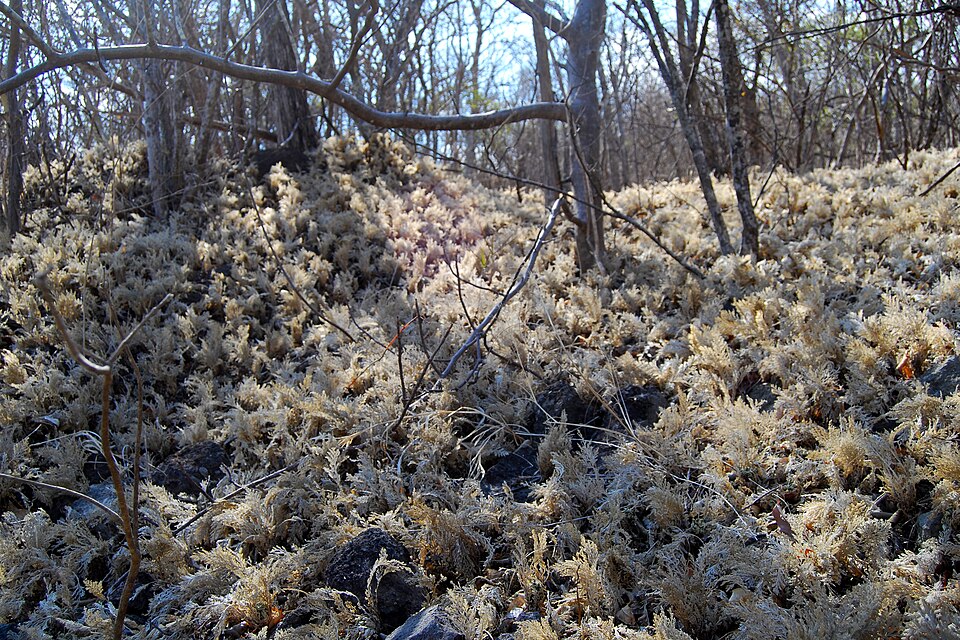
Onzenu is a conservation vision for the tropical dry forest and ciénagas of Colombia's Caribbean region. It brings farming, habitat restoration, education and local knowledge into the same conversation.
Explore the living landscapeMeet the five farms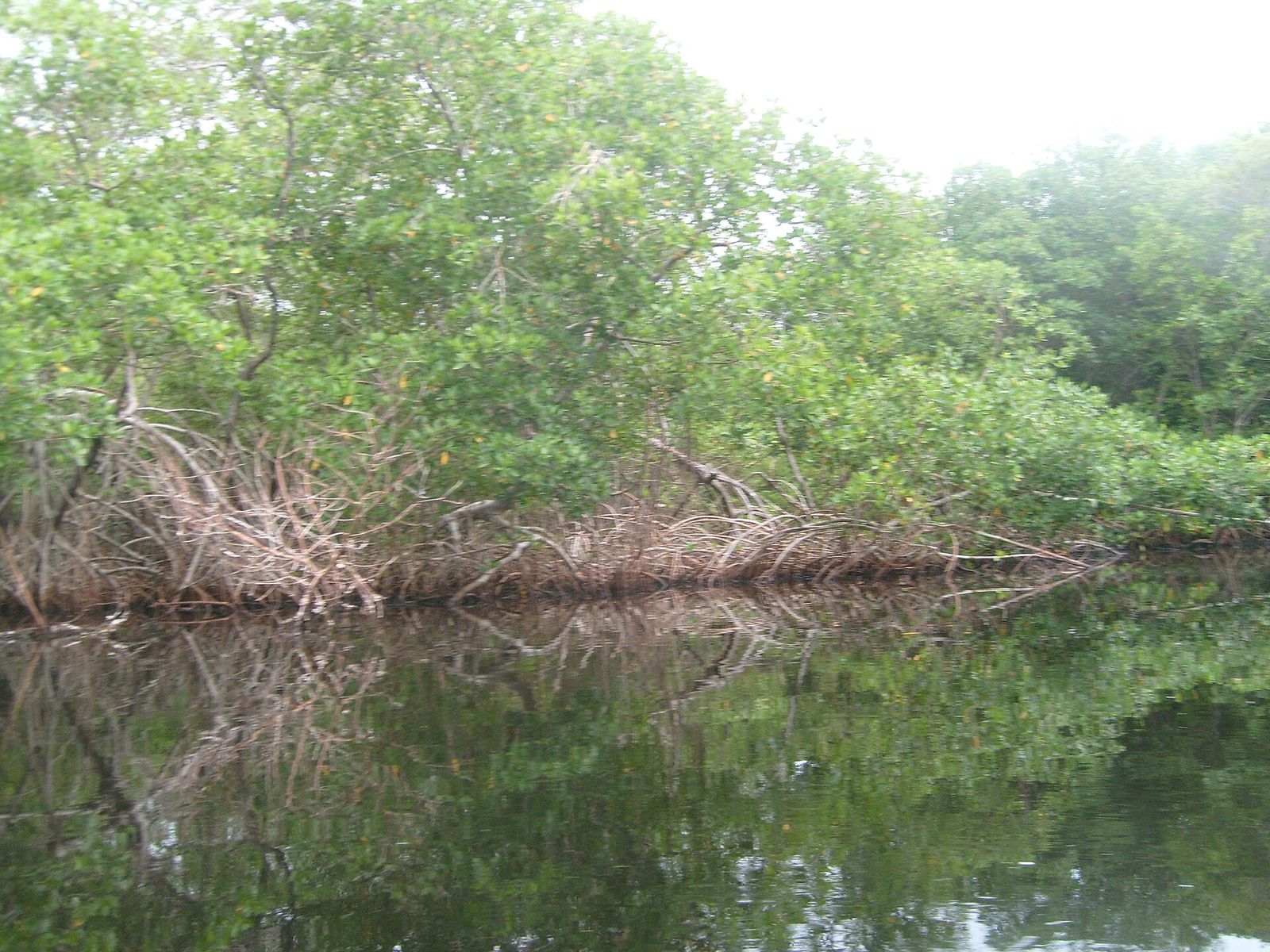
Not empty land. A living system.
A paddock, a patch of forest and a wetland are not separate stories. How land is managed shapes the space left for plants, wildlife and water.
Onzenu starts with a question: how can working land support nature, while continuing to support the people who depend on it?
Understand the landscapeWork with water. Learn from place.
Mauro's vision draws inspiration from Zenú water-management knowledge, including canal-and-ridge systems shaped around seasonal flooding.
This is a starting point for learning, not a claim that an old practice can simply be copied onto any farm. Historical evidence, present-day knowledge and the conditions of each site all matter.
Explore Zenú knowledgeProduction and conservation. On the same land.
Regenerative ranching, mixed planting, habitat restoration and native livelihoods are connected parts of the proposal. The aim is to test how they might work together, rather than present a finished formula.
See the farming approachDifferent farms. One question.
The presentation introduces five farms, from wetlands and flatlands to hills and creeks. Mauro proposes using his farming work as a proof of concept for Onzenu's ideas.
The farm pages will distinguish what the presentation describes, what has been checked in the field and what remains an ambition.
Meet the five farmsA place to learn, not just to look.
Why does one tree matter? What makes a species a keystone? How can farming and wildlife share space?
Onzenu's educational pages will make these questions approachable for students, farmers, neighbours and visitors.
Start learningShow the work. Then make the case.
A conservation vision earns trust by showing its methods and its limits. The aim is to share the evidence as it develops, including results that challenge the original idea.
Our approach to evidence