The five farms
Five starting points for a different future.
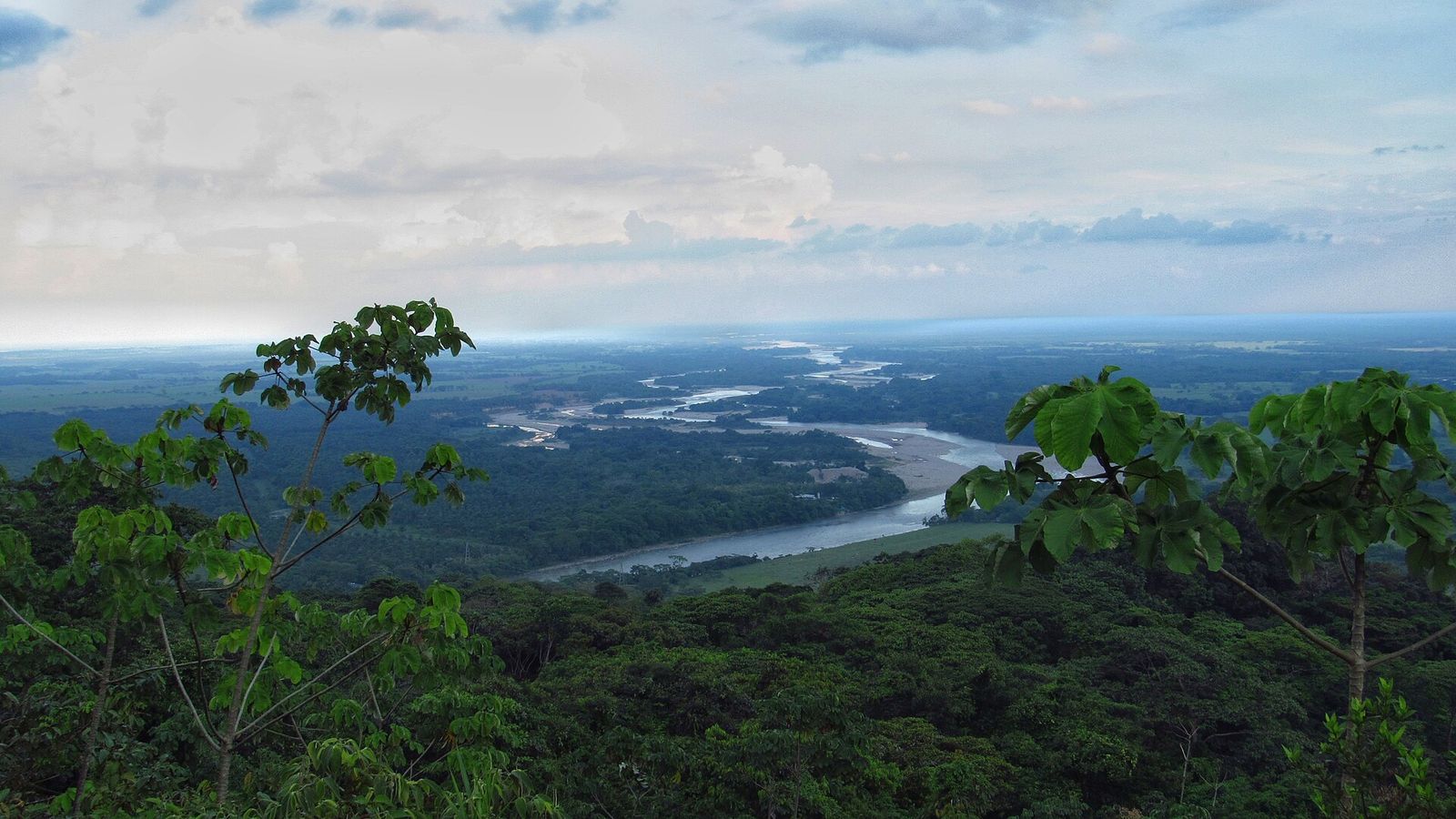
Mauro's presentation introduces farms with different landscapes, pressures and productive systems. It proposes his farming work as a proof of concept for the wider Onzenu vision.
These descriptions and areas come from page 14 of the presentation. They have not been independently surveyed or checked against current farm records. The document says Garrapata is not managed by Mauro.
The farms in the presentation
San Jorge
Area stated: 100 hectares
Described as very flat land that mostly floods, on a historical wetland. The productive system listed is male buffalo.
Patio Bonito / Los Robles
Area stated: 180 hectares
Described as half wetland and half flatland, with a dairy buffalo system.
Garrapata
Area stated: 230 hectares
Described as a traditional flatland farm and the most productive of the group. The presentation explicitly says it is not managed by Mauro.
El Palmar
Area stated: 130 hectares
Described as small hills and previously the most cleared farm.
Esquimales
Area stated: more than 500 hectares
Described as hills and creeks, with the greatest tree cover and biodiversity among the farms in the presentation. This is the presentation's description, not a published comparative biodiversity survey.
What a farm record should tell you.
A useful case study starts with the place, the date, the management responsibility and the question being tested. It then shows the method, the observations and the limits of the comparison.
The website should publish those records when they are available. Until then, an empty chart is more honest than an invented trend.
Our approach to evidence